
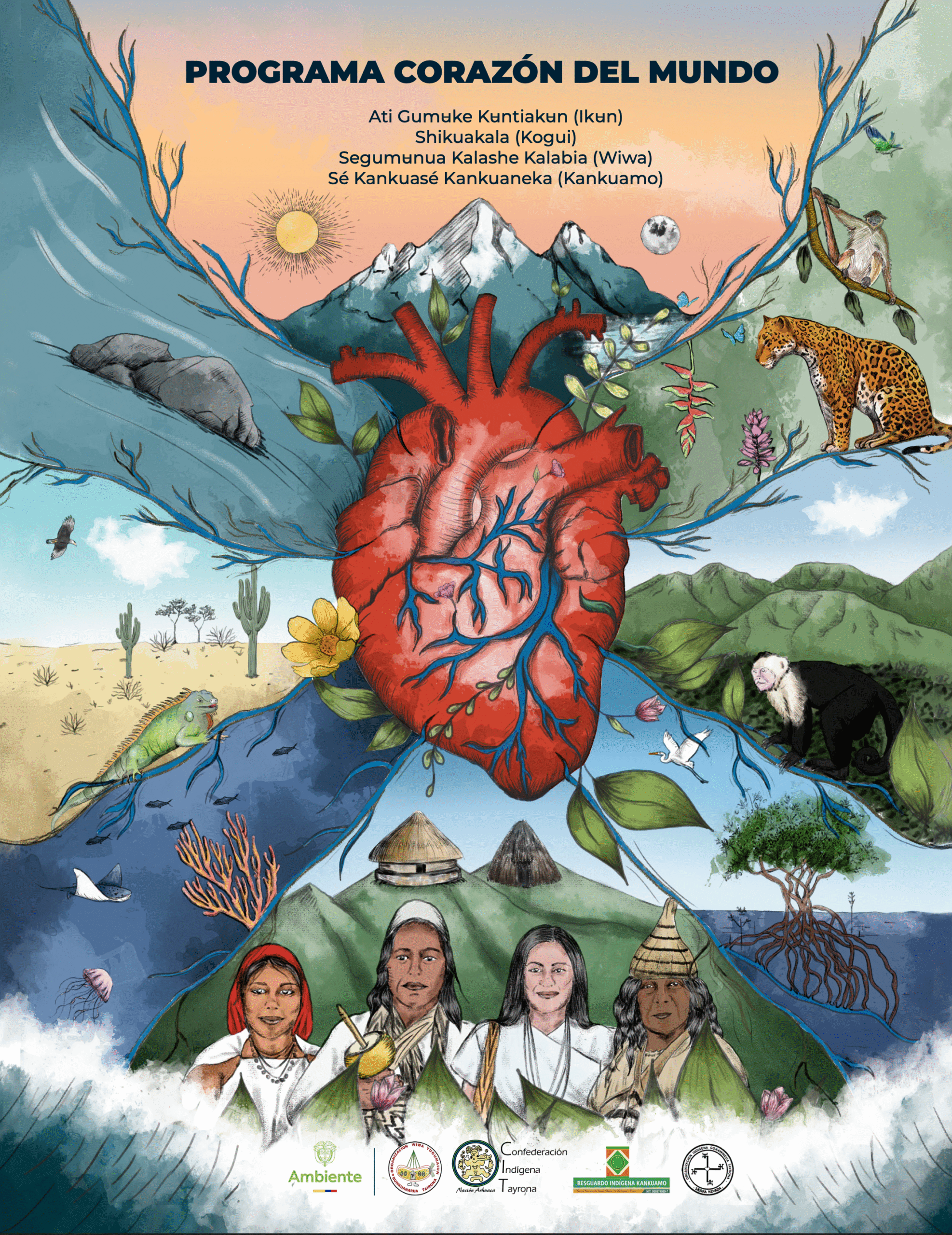
Heart of the World Program
Ati Gumuke Kuntiakun - Shikuakala - Segumunua Kalashe Kalabia - Sé Kankuasé Kankuaneka
The agenda Heart of the World Program: Ati Gumuke Kuntiakun (I) - Shikuakala (K) - Segum.unua Kalashe Kalabia (D) - I know Kankuasé Kankuaneka (Ka), contains the strategies for the care and healing of the ancestral territory defined by the system of sacred sites of the Black Line, which is updated, supplemented and developed on the basis of the cultural and political guidelines given by the Authorities of the Arhuaco, Kogi, Wiwa and Kankuamo peoples, through community and pedagogical exercises and spaces, and on the basis of the ancestral mandates arising from the spiritual consultations carried out in the sacred spaces, and of spiritual and traditional works carried out by the mamu (I)Mom, (K) or mamo (D). In this sense, this new version of the Programme contains the vision of the four peoples of the Sierra Nevada of Gonawindúa on care, protection, natural regeneration and preservation "which for non-indigenous society and institutions is understood as conservation, preservation or environmental restoration.
"On the exploitation of coal mines, the Mamus had announced more than forty years ago that, when it began to explode, we would eventually see the consequences of global warming, as we are seeing today by the ice-decks of the snow, the droughts of the streams and the forest fires, because that balance is sustained by the snow, the moor, the forest, the lagoon, the sea. The relationship of snow and coal is like that of a refrigerator, as if the engine of the refrigerator fails no longer freezes the ice; for it to have cold in the high parts it is necessary to keep the heat in the low parts and that is what the coal does. That's why I said that the heart is already sick, there's no way to repair the damage done. How do we stop the extraction of coal so that we stop this wound caused to Mother Earth, so it won't be destroyed to her heart? If the National Government wants to protect the heart of the world, it must begin by stopping the extraction of coal."
Daniel Solís, National Authority of the Arhuaco People
Message of the Mamus shared in the socialization of the Heart of the World Program, with authorities, held in Umuriwa on October 16 and 17, 2023.
The PCM contains the general guidelines, strategies and routes of the World Heart Program to be implemented in the ancestral territory of the Seykutukunumaku (I), Séshizha (K), Shetana Zhiwa (D) and the system of sacred spaces of the four villages of the Sierra Nevada of Gonawindúa. It can therefore continue its development and complementarity on the basis of the guidelines of both the Political and Traditional Authorities of the four peoples, articulated with its own instruments on the planning of the Ancestral Territory based on the Origin Act such as the life plans and other instruments set out in the Socio-Environmental Diagnosis, and which allow for the pooling of efforts and the promotion of actions for the restoration of forests, the conservation of biodiversity and the generation of social, ecological and environmental sustainability of the territory.
The Moms as spiritual guides
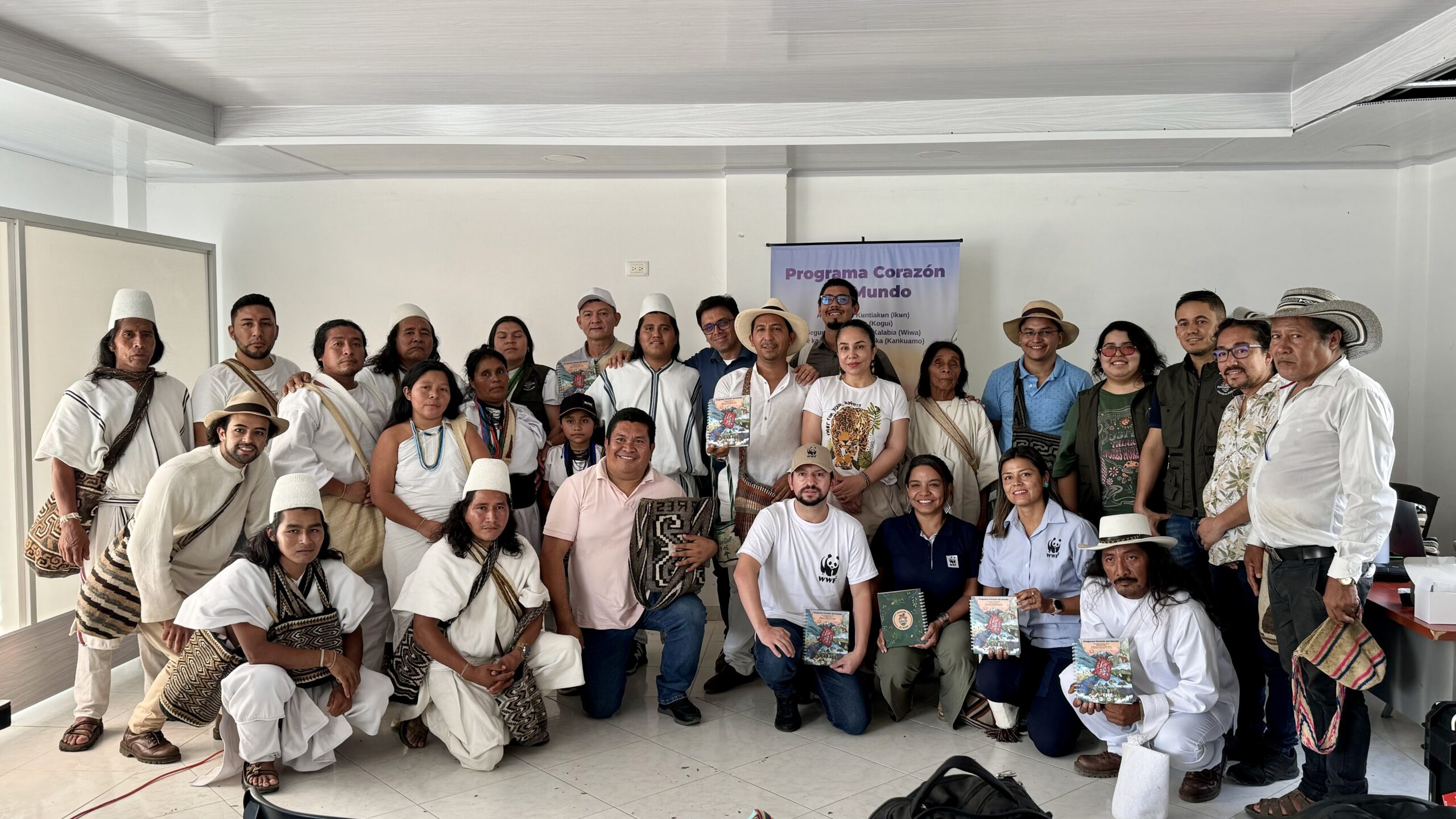
In the agenda «Meeting of Knowledge», Dwiruney Torres Torres, participated as Commissioner of the Tayrona Indigenous Confederation (CIT) before the National Indigenous Environmental Commission (CNAI).
The Heart of the World Program proposes a model of conservation from the Law of Origin of the four peoples of the Sierra Nevada of Santa Marta, to care for and preserve biodiversity, as well as to mitigate climate change.
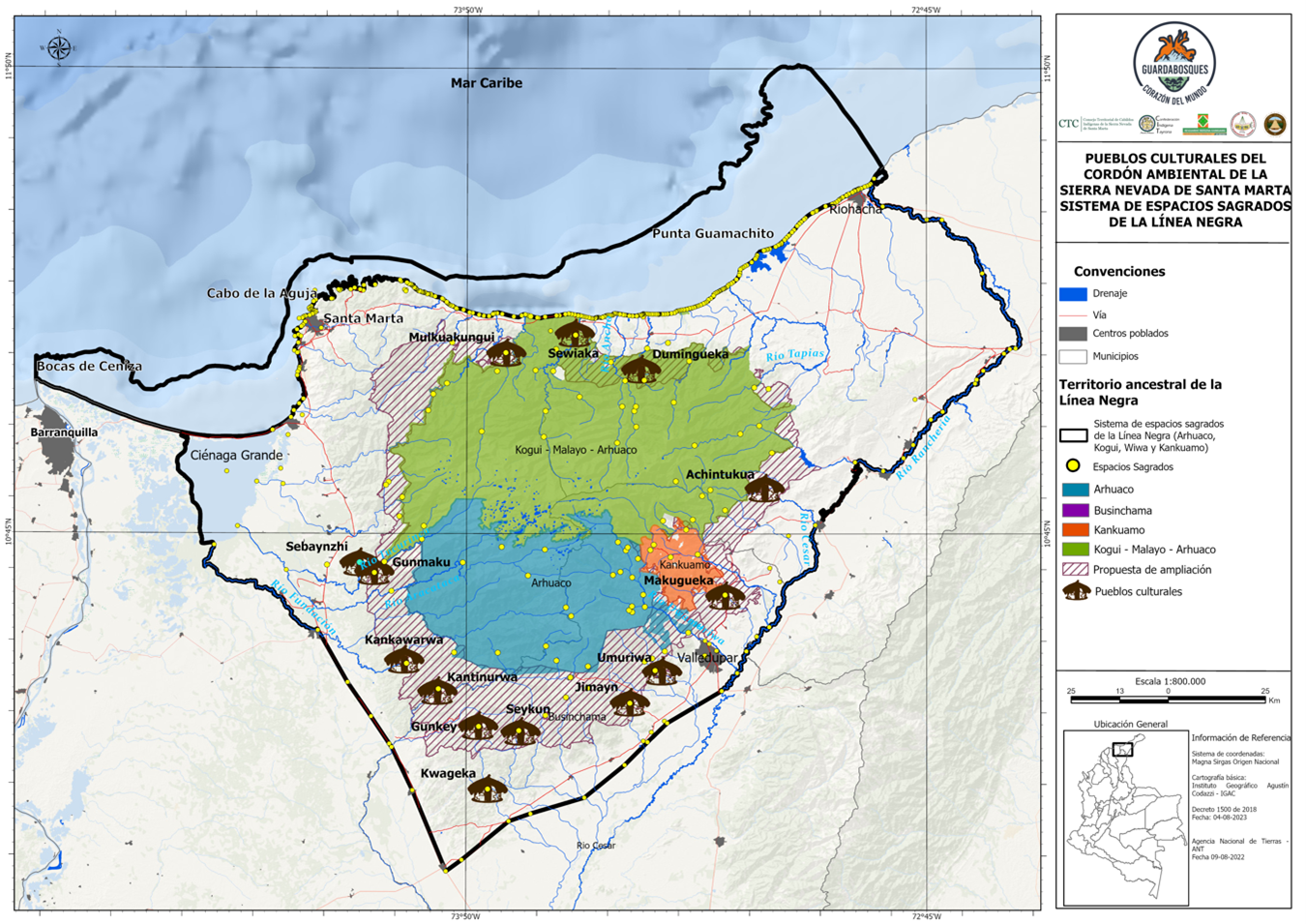
Map 1: Cultural or talanquera peoples within the framework of the Heart of the World Guardabosques program. Source: own development from the World Heart Guards Program (2015)
Ancient management and interconnectivity with the territory
The sacred spaces, located in different parts of the Sierra Nevada and the rest of the world and interconnected from the Black Line, are usually located in the births and mouth of the rivers, in the hills, the lagoons, in caves, rocks, trees and other landscapes and / or elements, including places at sea; each of the sacred spaces and sites are formed in the means through which the spiritual Fathers and Mothers of all natural and human elements are made possible; spiritual beings that dictate the codes or standards of use, management, administration and regulation of these components, dimensions, and interconnections of the environment and of the territory. In our ancestral territory we have the sacred spaces and sites that represent and contain everything that exists in nature: in different sacred objects and sites are the other territories, the animals, plants, minerals and all elements there in other places, and from these spaces we come to connect ourselves spiritually to pay, cure, repair and feed those places. (Territorial Council of Cabildos - CTC, 2015, p. 25)
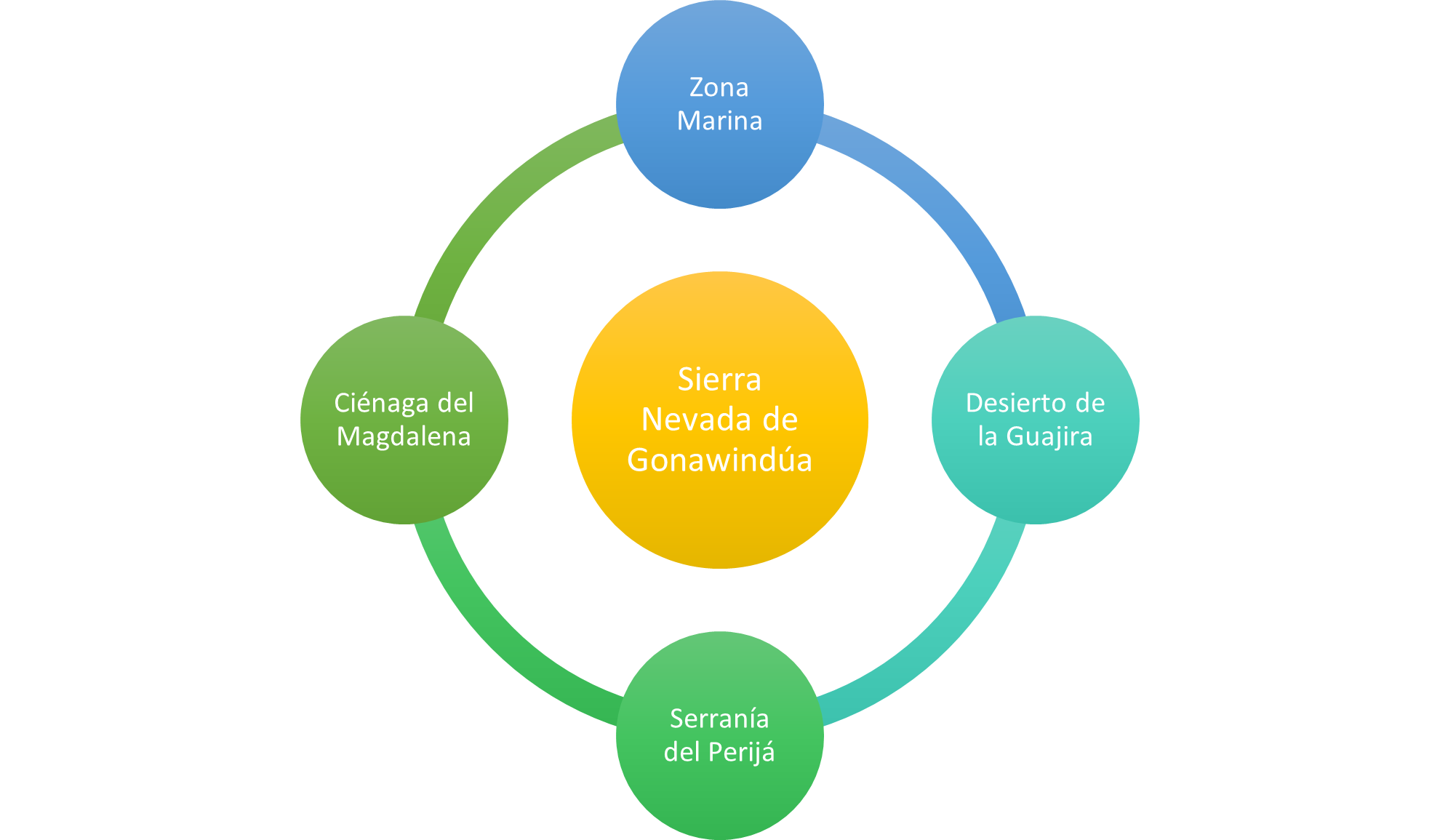
The ecosystem interconnections of the Sierra Nevada Gonawindúa
The sense and proper care, protection, regeneration and environmental preservation of the peoples of the Sierra Nevada of Gonawindúa should be conceived from the principles of balance, connectivity and integrality with other components that, while outside are directly related to the Sierra Nevada of Gonawindúa, such as:
Spiritual and cultural foundation of the Heart of the World Program
The four peoples of the Sierra Nevada of Gonawindúa in the framework of their autonomy and self-determination have established the need to rename the program "Heart of the World" since the name must contain the cultural and spiritual foundation, to "Heart of the World" - Ati Gumuke Kuntiakun (I) - Shikuakala (K) - Segumunua Kalashe Kalabia (D) - I know Kankuasé Kankuaneka (Ka)[1], to refer in general to the care, protection and preservation of the Heart of the Ancestral Mother. But in a deeper sense, it refers to that care, protection and preservation of all that exists on earth and in the universe must be in accordance with the order and principles that were given from the beginning, before dawn, generation after generation, by the ancestors. It is to safeguard the source and the strength that gives rise to all life.
[1] In the language of Kankuamo People
Thus, the 'Heart of the World' is defined from each of the languages of the four peoples as follows:
Ikun: Ati Gumuke Kuntiakun
- Ati: the mother of everything that exists in the universe. At the spiritual, physical, tangible and intangible level. All elements of nature; air, water, animals, nature
- Gumuke: It represents the spiritual, physical development, the interrelationship between the different forms of life and everything that exists in the world for its balance.
- Kuntiakun: It represents the origin of our ancestors, it owns all the elements of nature.
Kogi-Kaggaba village: Shikuakala
- Shikuakala: Shikuakala forest system. It is the expression of the principle of Se nenulang, it represents the Heart of the World, it is thought before dawn, it is the way to harmonize when there are imbalances, which must be named from the language to achieve it. When you talk about Shuikuakala, you're talking about the four directions, you're talking about global warming.
Wiwa peoples: Segumunua Kalashe Kalabia
- Heart of the World forest protection, restoration and conservation system: It means security of all elements of the territory, umbilical cord (The connection of knowledge systems to the environment), sites and spaces from which nature is governed and defended, Mother of all seeds. From the knowledge system the pillars are defined, and then the programs and strategies of the Heart of the World are defined.
Kankuamo people: I know Kankuasé Kankuaneka
- It is the heart of the tree, it is the foundation and the beginning to care for trees, animals, everything visible and invisible.

Mission
The mission of the Heart of the World Program Ati Gumuke Kuntiakun (I) - Shikuakala (K) - Segumunua Kalashe Kalabia (D) - I know Kankuasé Kankuaneka (Ka) is to build and implement measures of care, environmental and territorial health as mandate of the indigenous peoples of the Sierra Nevada of Gonawindúa, articulated with life plans, their own instruments and the Origin Act to allow the restoration of forests, the conservation of biodiversity and the generation of social, environmental and environmental sustainability in the territory.
Vision
For the next 40 years the towns of the Sierra Nevada of Gonawindúa: Arhuaco, Kogi, Wiwa and Kankuamo with the participation of the authorities, mamu (I)Mom, (K) or mamo (D) and communities, will have, care, fully protected and naturally regenerated 70% of the areas that are identified and included in the Heart of the World Program Ati Gumuke Kuntiakun (I) - Shikuakala (K) - Segumunua Kalashe Kalabia (D) - I know Kankuasé Kankuaneka (Ka).
General objective
To build and develop strategies for the care, conservation, restoration and comprehensive protection of the Ancestral Territory of the Black Line of the four villages of the Sierra Nevada of Gonawindúa, articulated with life plans, own instruments, the ancestral order of the territory and the Origin Act that allow the restoration, conservation and harmony with biodiversity, ecosystem and spiritual connectivity, the generation of social, ecological and environmental sustainability in the territory, in respect of ancestral and collective rights.
General guidelines
The strategies and actions of care, regeneration and environmental protection (conservation and restoration) in the Sierra Nevada de Gonawindúa will be oriented from guidelines that reflect the principles and foundations of the ancestral order of the territory that is already given from the origin. This arrangement includes zoning, calendars, characterizations and identities according to the missionary or function that each space, element or material in the territory performs. The main defining criteria are: the high, medium and low areas; the four directions; and the cold and hot parts of the Sierra Nevada Gonawindúa; which from their natural and ancestral order point to species of fauna and flora that are not only endemic to a place, but also fulfil a certain mission or function of life. Priority will be given to areas where species, materials, elements and / or seeds of use and management for cultural, traditional and / or medicinal purposes should be identified by peoples.
These measures should focus not only on care, regeneration and environmental protection (conservation and restoration) in their material dimension, ecosystems or biodiversity, but also on their spiritual dimension. Efforts should be directed to promote and strengthen the spiritual work of paying and healing of the spiritual and ancestral Fathers and Mothers of all that exists in the Heart of the World from the knowledge, use and proper management of the sacred spaces, elements and components of territory and nature. Of the strategies of the previous Programme, it is a priority for the peoples of the Sierra Nevada of Gonawindúa to maintain the recovery and conservation of cultural and environmentally strategic areas defined from the guidance of the Traditional and Spiritual Authorities.
In the same sense, the acquisition of premises or improvements in environmentally sensitive, highly affected or at serious risk areas should be maintained; close to or adjacent to water bodies in both the high, middle and low areas, ensuring the care of the management around the water; or culturally relevant as where sacred sites are identified from the ancestral and traditional knowledge of their own. To this end, an inter-institutional management and impact strategy can be defined to guarantee the territorial and collective rights of peoples.
The strategies and actions undertaken in the lower part must be related and consistent with the strategies and actions undertaken in the upper and middle part of the Sierra Nevada de Gonawindúa, so that the objective of reducing the anthropic pressure on the water bodies is effective. This may lead to the possible relocation of families living in cultural and environmentally sensitive areas from their own ancestral and traditional knowledge.
Strategies and Actions
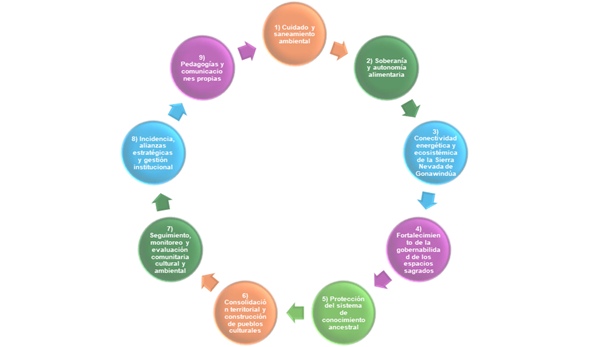
1) Environmental care and sanitation of the ancestral territory of the Black Line:
We conceive the environmental restoration from the order of the territory and from the natural regeneration through the recovery or sanitation of sacred spaces or of environmental or cultural importance. Natural and declaratory regeneration strategies of areas of cultural or intercultural interest are required for this restoration. The restoration should take into account the following aspects:
Activities
- Dedicate 70% of the area of natural ecosystem regeneration in the community areas, and the remaining 30% for community, cultural and traditional strengthening.
- Recover species of fauna and flora that have been affected by climate change. In the Sierra Nevada de Gonwindúa there are high, medium and low areas, according to this the species have an order and a place, so in the case of the management of these species must be native and belonging to each of these areas as appropriate, no species from the upper zone can be brought to the lower area or vice versa. Even so, the limitations of adaptability of native spices due to soil warming and erosion are a risk to be taken into account.
- Choose the areas where the activities are to be implemented on the basis of the presence of species that are parents and mothers of natural species, other elements and materials, as well as water born. This, since there are different types of animal and plant species that are responsible for singing to water, food, and maintaining balance. An example is the howling monkey that calls the water and rains, as well as the birds that are commissioned to call the rain. Since the Kunsamu (I) nothing can be separated, the conservation of biodiversity is directly connected to water and flora species.
- To naturally and culturally regenerate specific areas through traditional and spiritual work of payment and healing. This, in order to care for, protect and preserve the natural order of the territory as it has been given from the origin, does not necessarily require too many restoration actions, understood as intervention, reforestation or the like. You need to stop the affections or risks that are generating an impact, this is what natural regeneration means. For this it is important to be able to collect materials in different places. For example, to address climate change, it is necessary to collect quartz to make payments in hot areas in order to cool them.
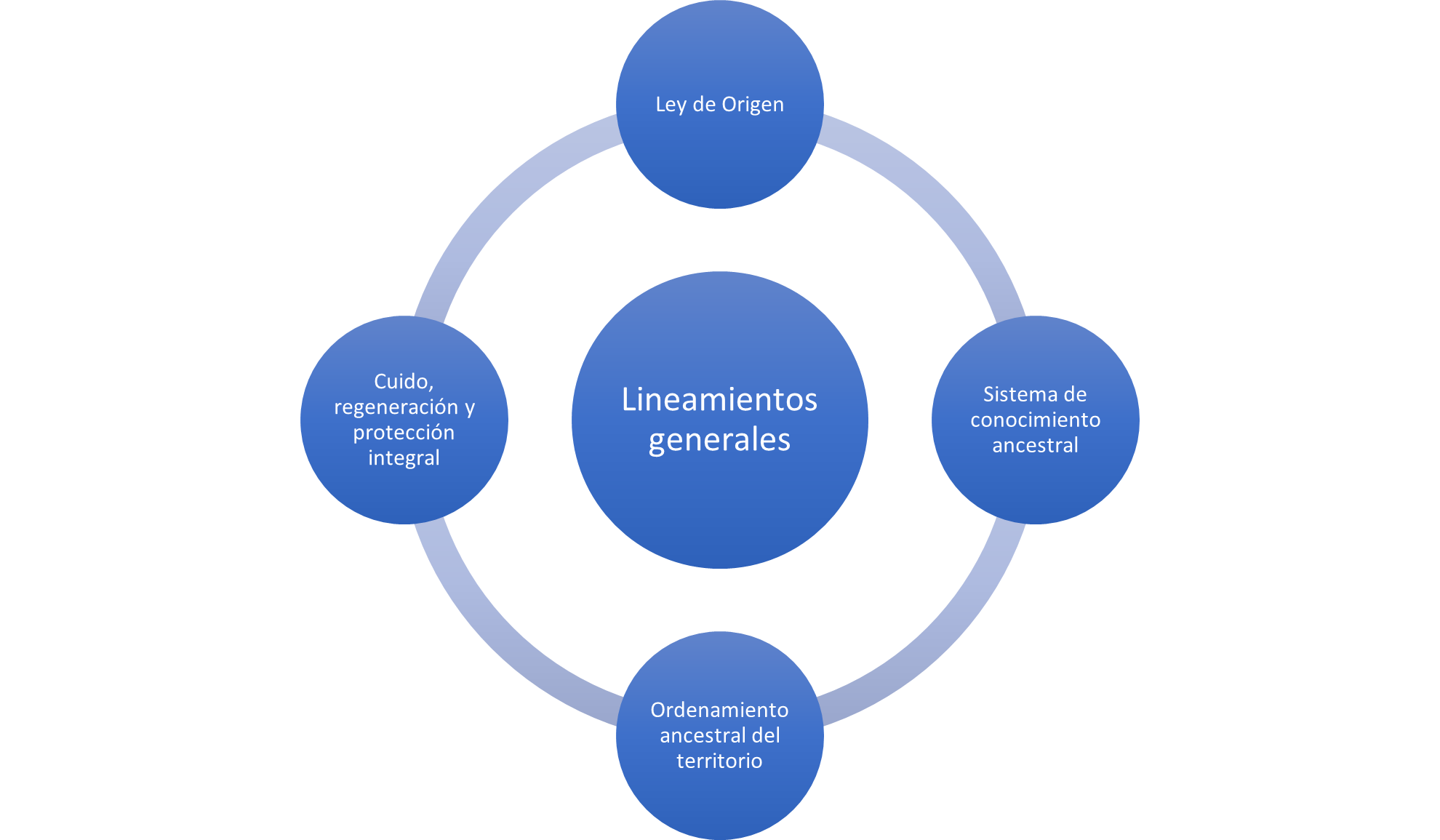
Figure 3. General guidelines for restoration, conservation and preservation strategies from the perspective of the peoples of the Sierra Nevada de Gonawindúa. Source: own production.
- The spiritual and material value of the area: it can be in water, in forest, in species that inhabit there, among other elements or components.
- The mission importance of the area. From there we can establish whether or not it is allowed to sow and which species are the own of a particular place.
- The natural functions and mandate of the area. This gives us the material, natural and cultural value of the area.
- Use and management of the area. There we seek to define the actions from an intercultural dialogue between the two visions.
- Prioritize areas where species, materials, elements and / or seeds of use and management for cultural, traditional and / or medicinal purposes are identified.
- To promote and strengthen spiritual work for the payment and healing of the spiritual and ancestral Fathers and Mothers of all that exists in the Heart of the World from the knowledge, use and proper management of the sacred spaces, elements and components of territory and nature.
- Focus the measures and actions of care, regeneration and environmental protection (conservation and restoration) in both its material dimension, ecosystems or biodiversity, and its spiritual dimension.
Food sovereignty and autonomy
The scope of this strategy is to advance efforts to generate food autonomy and sovereignty by respecting the ancestral order of the territory, through the recovery of species of cultural use in the affected areas and to counter the monocultures and crops with illicit use, focused on the protection, prioritization and use and recovery of native ancestral species. These activities could be carried out within the framework of cultural peoples or in established communities.
Activities
- Development of food sovereignty programmes and production projects with an agroecological approach based on the system of ancestral knowledge of the peoples, in the different parts of the Sierra Nevada of Gonowindúa.
- Promote the construction of nurseries or gardens led by families or communities under the guidance of the Mamus (I), Mamas (K), Mamos (D) and Ati Mama (I), Jaba (K) and Saga (D), in order that they contribute to the regeneration and conservation of native or cultural plants and species with different functions.
- Strengthen knowledge and knowledge among peoples for the care and management of seeds. This, prioritizing the communities that live on the ground.
- Implement productive environmental regeneration alternatives that contribute to the spread of native, cultural, medicinal and family-biting species.

